
Γεγονότα

Σύγκριση μοντέλων
Οι διαφορές με μια ματιά
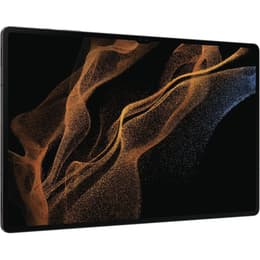
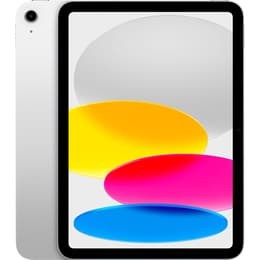
The Samsung Galaxy Tab S8 Ultra, released in 2022, and the Apple iPad (11th generation) with the A16 Bionic chip, introduced in 2025, represent distinct approaches to the tablet experience. While both are designed for productivity and entertainment, they differ significantly in screen size, display technology, and operating system. The Galaxy Tab S8 Ultra runs on Android with Samsung's One UI, offering a large, expansive display, whereas the iPad operates on Apple's iPadOS, known for its integrated ecosystem and optimized applications.
Χρώμα
Αποθηκευτικός χώρος
The longevity of a tablet is influenced by its initial build quality, software support, and the availability of repairs. Both devices are built with durable materials, but their software ecosystems offer different update timelines.
Έτος κυκλοφορίας
Συμβατό με την τελευταία Ενημέρωση
Λειτουργικό σύστημα
Both tablets offer robust performance suitable for a wide range of tasks, though they achieve this through different hardware and software optimizations.
The visual experience on these tablets is a primary differentiator, with each offering distinct display technologies and sizes.
Ανάλυση οθόνης
Τύπος οθόνης
Πυκνότητα pixel
While tablets are not typically primary photography devices, both models offer capable camera systems for video calls, document scanning, and casual photography.
Beyond core performance and display, several practical features contribute to the overall user experience and utility of these tablets.
Βάρος
Μέγεθος οθόνης
Δίκτυο
Πάροχος δικτύου
Choosing between the Galaxy Tab S8 Ultra and the iPad (11th generation) depends largely on individual priorities and preferred ecosystems. Users often praise the Galaxy Tab S8 Ultra for its expansive Super AMOLED display, which is ideal for media consumption, digital art, and multitasking with its included S Pen and DeX mode. Some users note that its large size, while a strength, can also make it less portable for one-handed use, and its battery life, while substantial, can be taxed by the large screen.
The iPad (11th generation) is frequently lauded for its consistent performance, long-term software support, and the robust app ecosystem of iPadOS. Its more compact size and lighter weight make it a highly portable option for students and general users. However, some users might find its Liquid Retina display less vibrant than an OLED panel, and the need to purchase the Apple Pencil separately adds to the overall investment.
Users prioritizing a large, vibrant OLED screen for immersive media and extensive digital art or productivity with a desktop-like experience may find the Galaxy Tab S8 Ultra well-suited to their needs. Conversely, those who value a more compact form factor, a highly optimized operating system with longer update cycles, and seamless integration within the Apple ecosystem will likely lean towards the iPad (11th generation). Both devices offer compelling features, and considering a quality-assured refurbished option for either can be an eco-friendly alternative to extend their lifecycle.